Marine Aquaculture: A tool for diversification strategies to combat climate change
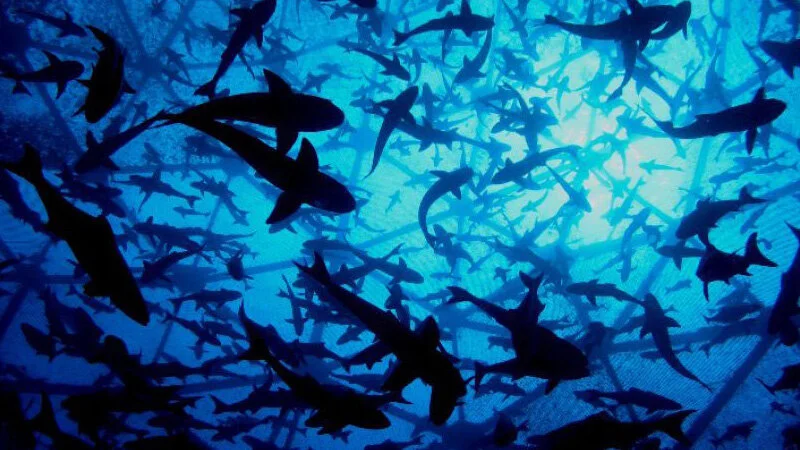
Marine aquaculture can provide food, carbon sequestration, and reduced emissions. Some forms of marine aquaculture may even lessen the impact of storm surges and sea level rise on coastal ecosystems and communities. These direct benefits are all important. But some of the most important benefits marine aquaculture offers is contribution to the diversity of responses to the climate crisis.
Read More
Importance of Offshore Aquaculture Development in the United States
Over the past few decades, aquaculture has made leaps and bounds in improving environmental responsibility. Giant Eagle stands firm to reward these efforts and provide our guests with products that reduce their environmental footprint.
Read More
Opportunities for the U.S. through Expansion of Aquaculture
Aquaculture would complement wild fishing to increase our supply of healthful and affordable seafood with minimal environmental impact, helping to protect and preserve our natural resources while we are faced with challenges stemming from a changing climate.
Read More
The Blue Rush: Federal Legislation Needed to Bolster Budding Offshore Aquaculture Industry
The United States, and California specifically, has an incredible opportunity to create an entirely new industry - offshore aquaculture. But federal legislation is needed to provide the foundation on which to build this industry.
Read More
Support for Aquaculture Through An Act of Congress
The expansion of domestic aquaculture is one way for American communities to grow our economy, create jobs and support the seafood and agricultural industries while supplying our nation with healthy and sustainable American-raised seafood.
Read More
Momentum for Aquaculture Growing on Capitol Hill with Introduction of New Bill
On September 24, 2020, a new bill on aquaculture was introduced in the U.S. Senate with bipartisan support – a positive development for the seafood industry and the communities nationwide that would benefit from the development of offshore aquaculture in the U.S.
Read More
Supporting American Industries through Aquaculture Growth
As one of the world’s largest seafood purchasers, Red Lobster believes it has a responsibility to protect and preserve the oceans and marine life for generations to come. Sustainable and responsibly sourced seafood plays a critical role in protecting our fisheries and ocean ecosystems.
Read More
Benefits of Aquaculture Expansion
Aquaculture production has been growing in the U.S. in recent years, and has the potential to become a large industry for coastal U.S. states, including Hawaii. Recent advances, focused on offshore farms, along with well-defined federal support and regulation, will allow for reduced aquaculture costs and wider adoption of the industry within the U.S.
Read More
Aquaculture Opportunity Areas Mark Important Step Forward for U.S. Seafood Industry
NOAA Fisheries has taken the first step in a proactive process that will create opportunities for aquaculture farmers and foster the U.S. aquaculture industry as a needed complement to our wild-caught fisheries.
Read More
Q&A with Renowned Chef Barton Seaver on Sustainable Aquaculture
Barton Seaver, an award-winning chef and one of the world’s leading sustainable seafood experts and educators, recently spoke with Stronger America Through Seafood from a beach near his home in Maine.
Read More
Agents of Sustainability, From Food to Restoration
Clams and oysters have been acting as incredible water filtration devices long before we ever showed up, and our company’s objective is for municipalities to see shellfish as a natural agent for keeping our waters healthy and full of life.
Read More
The Time to Chart a Course for Aquaculture is Now
Aquaculture is the world’s most important source of seafood. Today, more than half of the seafood Americans consume is farm-raised and the vast majority is imported. By establishing a clear and predictable legal and regulatory structure for marine aquaculture in the U.S., we can reduce our overreliance on seafood imports and improve seafood security with wholesome, domestically farmed seafood with minimal environmental impact our marine habitat and resources.
Read More
Findings from New Aquaculture Nutrition Study
Since aquaculture encompasses a wide range of species and cultivation methods that result in diverse social, economic, nutritional, and environmental outcomes, the specific role of aquaculture in a more sustainable, food-secure future depends on how the sector evolves in the coming years.
Read More
Growing Momentum for Kentucky Aquaculture
As Kentucky expands its aquaculture industry, the demand for local soymeal into local fish feed to grow local fish is poised for explosion.
Read More
Soybean meal demand expected to increase through aquaculture
The growing aquaculture market creates new opportunities for soybean farmers. To explore the economic impact further, the Soy Aquaculture Alliance recently commissioned a 2020 report “Potential Economic Value of Growth of U.S. Aquaculture to U.S. Soybean Farmers.”
Read More
Homegrown Aquaculture Helps Soybean Farmers and Small Town Economies Too
Aquaculture is extremely important in my home state of Minnesota because it not only provides a new revenue stream as farms adjust and adapt to a challenging farm economy, but more importantly because it creates a new market for the nearly 7.5 million acres of soybeans Minnesota farmers grow.
Read More
Aquafeeds: Connecting the Land to the Sea
Considering that feed accounts for over 50% of the operating costs of fish and shrimp farms, the aquaculture feed industry plays a significant role in food security.
Read More
Innovation Driving Sustainability of Aquaculture
Learn about the innovations that will help raise fish more sustainably.
Read More
AI/ML Holds the Key to Sustainable Aquaculture
Stronger America Through Seafood (SATS) interviewed Bryton Shang, Founder and CEO of Aquabyte earlier this month. Technology company Aquabyte uses machine learning and computer vision to improve fish farming sustainability.
Read More
Why Technology Holds the Key to the Evolution of the U.S. Aquaculture Industry
The adoption of innovative technologies – particularly those related to novel feed ingredients and traceability in the seafood supply chain – are essential for the sustainable growth of the U.S. aquaculture sector.
Read More